Nature Notes

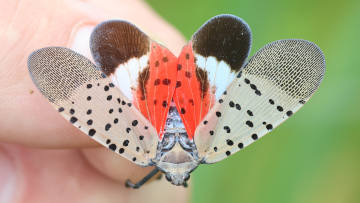
spotted lanternfly

PHOTO COURTESY OF GARRY KESSLER

Spotted lanternfly

January 23, 2026, Page WCLT’s Nature Notes Quiz on 2025

NATURE NOTES

By Annie Reid
Westborough Community Land Trust

WCLT’s Nature Notes Quiz on 2025

Eastern kingbird

PHOTO COURTESY OF GARRY KESSLER

Eastern kingbird
black Swallowwort

PHOTO COURTESY OF GARRY KESSLER

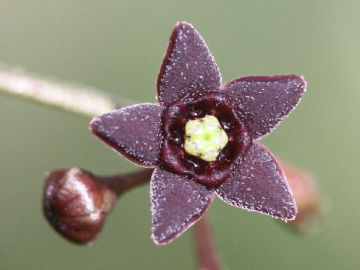
Black Swallowwort
raccoon

PHOTO COURTESY OF GARRY KESSLER

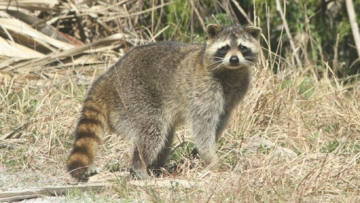
Raccoon
river otter

PHOTO COURTESY OF GARRY KESSLER

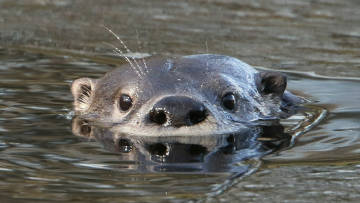
River otter

“Ah, bitter chill it was!” This line, from a famous John Keats poem set in January 200 years ago (“The Eve of St. Agnes,” 1819), pretty much describes January 2026. To get through winter’s chill, look ahead to warmer and greener days by reviewing last year’s Nature Notes topics. Try taking our annual Nature Notes quiz below.

Who am I?

Choose your answers from the drop down lists. Check your answers by clicking the "Show Answers" button. The answer page will contain links to the 2025 “Nature Notes” columns so you can re-read them as a way of preparing to enjoy nature in 2026.


Match these descriptions with possible answers from the list below:

1.   I’m a wild, water-loving predator known for my playfulness.

2.   In the fall, you might spot many of us circling in “kettles” as we ride upward in rising warm air currents during our southward migration.

3.   I bloom early, in March-April, but in fall, I’m easy to spot because my maple-like dried seeds stay into the winter, long after my ash-like leaves have fallen.

4.   You might think I’m a colorful butterfly or moth, but no, I’m an invasive, sap-sucking insect that’s new to our region, and I lay eggs on an invasive tree, the tree-of-heaven (ailanthus, Ailanthus altissima).

5.   I’m shy and not very noticeable to see, but you might recognize my short bursts of echoing song when I return to woods in our region in April and forage on the ground.

6.   Do you think of me as nocturnal and worry that I’m sick if you spot me during the day? A local animal control officer notes that it’s normal for me to be out during the day, searching for food for my young in spring, or leaving my family as a youth in summer/fall.

7.   I’m royalty, with a white band at the tip of my tail, and I catch flies and other flying insects in mid-air.

8.   You can smell the scent of maple syrup if you crush my leaves or bud-like flowerheads, which last a long time.

9.   I’m a non-native tree with needles and cones, and have become naturalized in the local environment without disturbing its ecology.

10.   I’m an invasive vine with tiny, black, star-shaped flowers (1/3 inch), and I can cause problems for monarch butterflies because they lay eggs on me but their caterpillars fail to survive on me.


Possible answers:
- black swallowwort (Cynanchum louiseae)
- boxelder (Acer negundo)
- broad-winged hawks (Buteo platypterus)
- eastern kingbird (Tyrannus tyrannus)
- hermit thrush (Catharus guttatus)
- North American river otter (Lontra canadensis)
- Norway spruce (Picea abies)
- raccoon (Procyn lotor)
- spotted lanternfly (Lycorma delicatula)
- sweet everlasting (Pseudognaphalium obtusifolium)


WCLT Logo
Report your own local nature sightings (or check out what others have seen) on WCLT's Facebook page! Find more information about enjoying nature in Westborough, including trail maps and a calendar of events, at the WCLT website

Prev (by date)


More Nature Notes:
Date index
Month (January)
Common name index
Scientific name index
Category index